
Every year, as the full moon shines brightest in the autumn sky, millions of people across East and Southeast Asia gather with family and friends to celebrate one of the region’s most cherished festivals—the Mid-Autumn Festival (中秋节). Rich in history, folklore and symbolism, the festival has been celebrated for more than 3,000 years and remains one of the most significant cultural occasions in many Asian communities today.
Often compared to Thanksgiving for its themes of gratitude or Christmas for its emphasis on family reunion, the Mid-Autumn Festival is much more than an annual celebration. It is a time to reconnect with loved ones, appreciate the year’s blessings and preserve traditions that have been passed down through generations.
Today, the festival is celebrated not only across Asia but also by East and Southeast Asian communities around the world. In the UK, where the festival often falls during ESEA Heritage Month, it has also become an important opportunity for organisations, schools and communities to celebrate East and Southeast Asian cultures in meaningful and engaging ways.
What is the Mid-Autumn Festival?
The Mid-Autumn Festival takes place on the 15th day of the eighth month of the lunar calendar, when the moon is believed to be at its fullest and brightest. In 2026, the festival falls on 25 September.
Originally, the festival began as a harvest celebration. Thousands of years ago, farmers would give thanks for a successful harvest while praying for prosperity and good fortune in the coming year. Over time, these agricultural traditions evolved into a festival centred around family reunion, gratitude and togetherness.
The full moon plays an important role in the celebration. Across many East Asian cultures, its perfect round shape symbolises completeness, harmony and reunion. Even when family members are separated by distance, looking at the same moon serves as a reminder that they remain connected.
This simple yet powerful symbolism is one of the reasons why the Mid-Autumn Festival continues to resonate with so many people today.
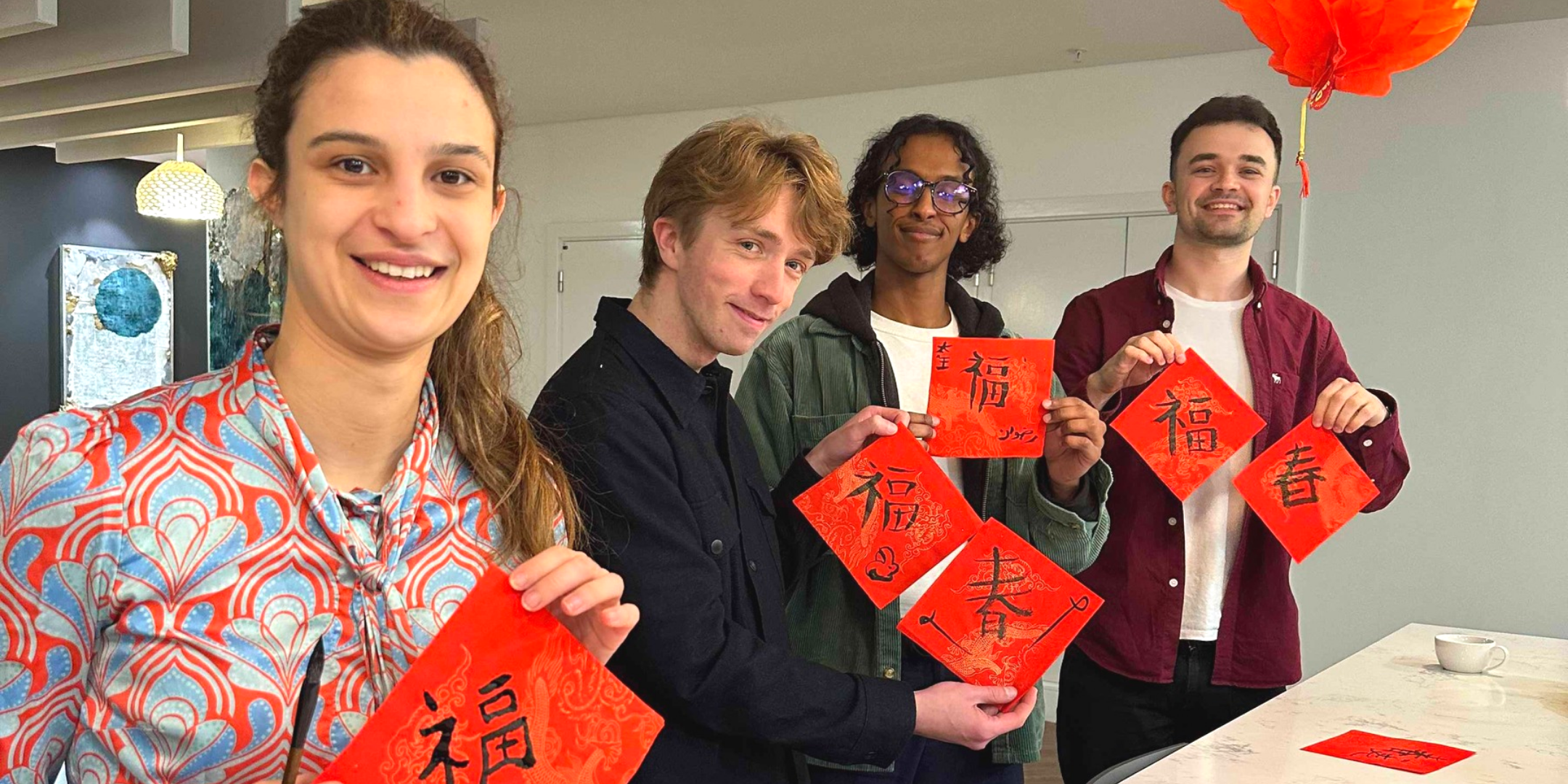
Celebrate … Festival with Us
Book our festival workshops to celebrate with us.

Explore More Chinese Cultures
We are experts in Chinese culture and traditions.
Why is the Mid-Autumn Festival so important?
Alongside Lunar New Year, the Mid-Autumn Festival is considered one of the most important traditional celebrations in many East and Southeast Asian cultures.
Unlike festivals centred around fireworks or large public celebrations, the Mid-Autumn Festival focuses on something much quieter but equally meaningful: spending time with the people who matter most.
For many families, it is an annual tradition to return home, share a meal and enjoy the evening together beneath the full moon. It is a chance to pause from busy schedules, reconnect with loved ones and express gratitude for the relationships that enrich our lives.
The festival also reminds us of values that remain relevant today—community, generosity, appreciation and belonging. These themes have helped the Mid-Autumn Festival remain an enduring celebration for centuries, even as societies and lifestyles have changed.
The legend behind the festival
Like many ancient festivals, the Mid-Autumn Festival is closely connected with folklore. The best-known story is the legend of Chang’e, the Moon Goddess.
According to legend, ten suns once appeared in the sky, scorching the earth and causing great suffering. The heroic archer Hou Yi shot down nine of them, saving humanity. As a reward, he received an elixir of immortality.
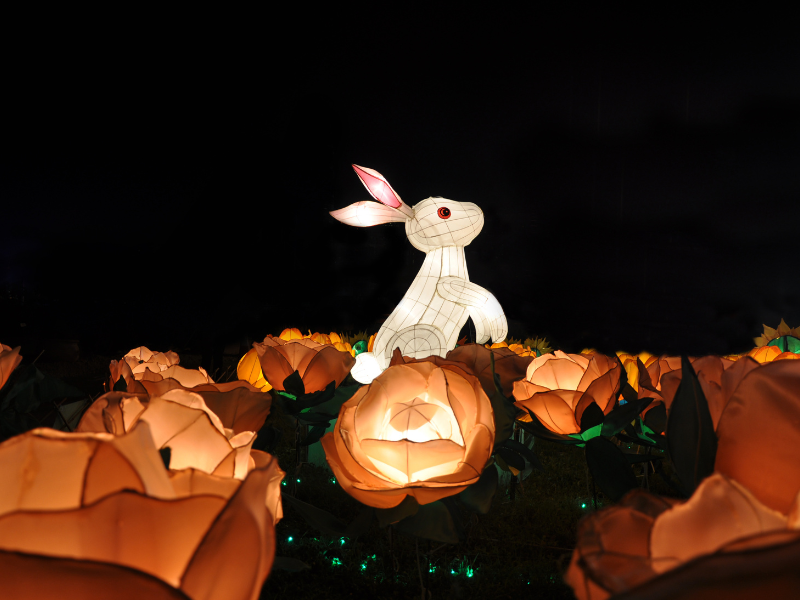
Rather than allowing the elixir to fall into the wrong hands, Hou Yi’s wife, Chang’e, drank it herself and floated to the moon, where she has remained ever since. Unable to join her, Hou Yi would leave offerings beneath the moon each year in remembrance of her, inspiring the traditions that continue today. Chang’e is often accompanied by the Jade Rabbit, another much-loved figure in Chinese folklore, who is said to spend eternity making the elixir of life on the moon.
These stories continue to inspire artwork, performances, lanterns and children’s celebrations throughout the festival.
Mid-Autumn Festival traditions and customs
One of the reasons the Mid-Autumn Festival has endured for thousands of years is the rich collection of traditions associated with it. While customs vary between countries and regions, many remain central to celebrations today.
Sharing mooncakes
Perhaps the most iconic tradition is sharing mooncakes. These beautifully decorated pastries are exchanged between family, friends, neighbours and colleagues as symbols of reunion, appreciation and good fortune. Traditionally, mooncakes are filled with lotus seed paste, red bean paste or salted egg yolk, although modern flavours such as matcha, chocolate and custard have become increasingly popular.
More than simply a festive treat, mooncakes represent the importance of coming together. Their round shape reflects the full moon and symbolises unity and completeness. It is also common to exchange mooncakes with friends, neighbours, business partners and colleagues as a gesture of appreciation, respect and goodwill. The act of gifting represents strengthening relationships and wishing others happiness, prosperity and harmony.
#dearasia_london
A quick story of us
Dear Asia is a team of dedicated East Asian professionals passionate about sharing our rich heritage. Our team includes language teachers and craft instructors who excel at teaching everything you want to know about Asia. We are proud of our Asian roots and are committed to promoting our cultures through engaging classes and workshops. Based in Aldgate, we invite you to visit us and learn more about what we offer.

Follow us on Instagram
Playing Lanterns
Colourful lanterns are another recognisable symbol of the Mid-Autumn Festival.
As evening falls, parks and streets are illuminated with lantern displays, while children carry handcrafted lanterns of all shapes and sizes. From rabbits and fish to flowers and mythical creatures, lanterns bring colour and creativity to the celebration.
Lanterns traditionally symbolise hope, happiness and a bright future. Today, lantern-making remains one of the most popular ways for families and communities to celebrate the festival together.
Moon gazing
One of the simplest yet most meaningful traditions is gathering beneath the full moon. Families often spend the evening outdoors, appreciating the beauty of the moon while sharing food, stories and conversation. Although it may seem like a quiet activity, moon gazing reflects the festival’s central message—that even when separated by distance, people remain connected beneath the same moon.
Family reunion dinners
Like many important cultural festivals, food brings people together. Families gather around the dinner table to enjoy seasonal dishes and celebrate the occasion together. While menus vary from region to region, the meal itself is often considered one of the most important parts of the festival. It is less about elaborate cuisine and more about creating time to reconnect with family across generations.
How the Mid-Autumn Festival is celebrated across Asia
Although the festival shares common origins, every country has developed its own unique traditions.
In China, families gather for reunion dinners, admire the full moon and exchange beautifully packaged mooncakes with friends and colleagues.
In Vietnam, the festival is especially popular with children. Streets come alive with lantern processions, lion dances, cultural performances and colourful celebrations that fill towns and cities.
In Singapore and Malaysia, lantern festivals, mooncake fairs and community events attract thousands of visitors each year, bringing together people from different backgrounds to celebrate the occasion.
Despite these regional differences, the values at the heart of the festival remain remarkably similar—gratitude, family, reunion and community.
Why the Mid-Autumn Festival still matters today
In today’s fast-paced world, opportunities to slow down and reconnect have become increasingly valuable.
The Mid-Autumn Festival reminds us to appreciate the people around us, celebrate shared traditions and create meaningful moments together. These values extend far beyond family life and have become increasingly relevant in schools, communities and workplaces.
As organisations continue to invest in employee wellbeing and cultural inclusion, many are embracing cultural celebrations that encourage learning, conversation and connection.
Rather than simply recognising cultural festivals on a calendar, businesses are finding ways to create memorable experiences that bring colleagues together while celebrating the diversity of their workforce.
Celebrating the Mid-Autumn Festival in the workplace
Because the Mid-Autumn Festival often takes place during ESEA Heritage Month, it offers organisations a meaningful way to celebrate East and Southeast Asian cultures while bringing employees together.
Instead of limiting celebrations to decorations or themed refreshments, many companies are choosing interactive cultural experiences that allow employees to explore the traditions behind the festival. Activities such as lantern-making, traditional craft workshops, Mahjong sessions and Kintsugi workshops encourage participation, spark conversation and create lasting memories.
These experiences not only introduce employees to the cultural significance of the festival but also reflect its core values of togetherness, appreciation and community.
Want to hire us?
Bespoke event for you!
Dear Asia is a London-based event organiser specialising in creative workshops celebrating Asian cultures. With years of experience, our team excels at hosting engaging events for groups of 15-60 people in your office. We’re passionate about what we do, but our capacity is limited. If you’d like us to run an event for you, visit this page for more details and get in touch!
Celebrate the Mid-Autumn Festival with Dear Asia
At Dear Asia, we believe the best way to experience a culture is by taking part in it.
We work with businesses across the UK to deliver authentic Mid-Autumn Festival celebrations that combine cultural storytelling with hands-on experiences. Whether you’re planning a team-building activity, an ESEA Heritage Month event or a company-wide cultural celebration, we can create a bespoke experience tailored to your organisation and your people.
Our workshops are inspired by the traditions of the festival and East and Southeast Asian cultures. From lantern-making and cultural craft workshops to Mahjong workshops that bring colleagues together through play and Kintsugi workshops that explore the Japanese philosophy of resilience and renewal, every session is designed to be interactive, educational and enjoyable.
More than simply hosting an activity, we create experiences that encourage curiosity, conversation and genuine cultural appreciation. Our experienced facilitators share the stories, history and symbolism behind each tradition, helping participants gain a deeper understanding of the cultures they are celebrating while creating meaningful connections with their colleagues.
If you’re looking for a memorable way to celebrate the Mid-Autumn Festival in your workplace, we’d love to help you create an event that reflects the true spirit of the festival—bringing people together through culture, creativity and shared experiences.