

Every summer, across Japan, bamboo branches bloom with colourful strips of paper, swaying gently in the warm evening breeze. Lanterns glow along festival streets, yukata-clad crowds gather beneath the stars, and millions of handwritten wishes flutter quietly toward the sky. This is Tanabata, one of Japan’s most enchanting and deeply romantic celebrations. But to truly understand why this festival captures hearts year after year, you have to go back to the very beginning to a timeless love story written in the stars.
A Love Story Written Across the Milky Way
The legend of Tanabata begins long ago, in the heavens above. Orihime (織姫), whose name means “Weaving Princess,” was the beloved daughter of the Sky King, the ruler of the heavens. Every day, she sat by the banks of the Milky Way and wove the most exquisite cloth — fabric so beautiful and fine that it delighted all who saw it. Her father was immensely proud, and Orihime devoted herself entirely to her craft.
Yet despite her purpose and skill, Orihime was lonely. Day after day she worked, and though her cloth was magnificent, her heart ached for someone more.
Taking pity on his devoted daughter, the Sky King arranged for her to meet Hikoboshi (彦星), a humble and kind-hearted cowherd who lived and worked on the opposite side of the Milky Way. Hikoboshi is represented in the night sky by the star Altair, while Orihime shines as Vega — two of the brightest stars visible in the summer sky.
The moment the two met, it was as if the universe itself had aligned. They fell deeply, completely, and utterly in love. Soon they were married, and for a time, the heavens were filled with joy.
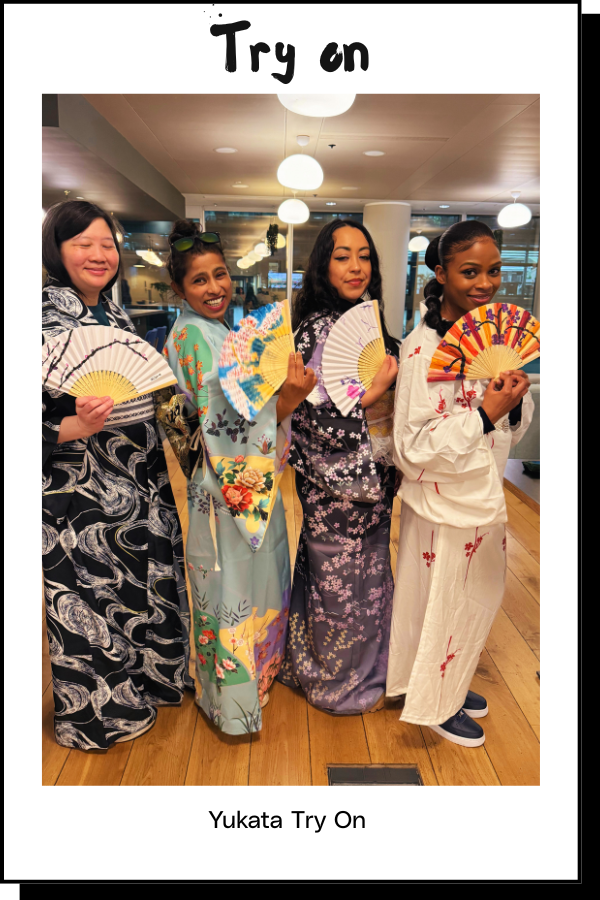
Celebrate … Festival with Us
Book our festival workshops to celebrate with us.

Explore More Japanese Cultures
We are experts in Japanese culture and traditions.
When Love Becomes Too Much
But love, when left unchecked, can be consuming and so it was for Orihime and Hikoboshi. So lost were they in each other’s company that everything else fell away. Orihime stopped weaving her cloth, neglecting the duty that had always brought her father such pride. Hikoboshi, equally distracted, allowed his cattle to wander freely across the heavens, causing chaos among the stars.
The Sky King’s joy turned to fury. How could two people responsible for such important duties abandon them so completely? Enraged, he made a heartbreaking decision: he separated the two lovers, placing them on opposite sides of the Milky Way — a cosmic river so vast and swift that neither could cross it alone.
Orihime was devastated. She wept endlessly, her grief so raw and overwhelming that it moved even the stern heart of her father. Seeing her suffering, the Sky King softened — just slightly. He decreed that the lovers could be reunited once a year, on the seventh night of the seventh month, provided that Orihime returned to her weaving and Hikoboshi kept his herd in order.
The Bridge of Magpies
But there was still the matter of the Milky Way that vast, impassable river of stars stretching between them. How were the lovers to cross?
According to legend, on the seventh night, a flock of magpies takes pity on Orihime and flies to the river, forming their wings into a bridge so she can cross to meet Hikoboshi on the other side. It is a fleeting, precious reunion just one night in an entire year but it is enough to sustain their love across the long months of separation.
There is, however, one tragic condition. If it rains on the seventh night, the river swells and the magpies cannot fly. The bridge cannot form, and the lovers must wait, heartbroken for another year to pass before they can see each other again. Even today in Japan, people look anxiously at the sky on Tanabata evening, hoping the stars will be visible and the lovers will finally meet.
The Tradition of the Tanzaku Wish
One of the most beloved customs of Tanabata is the writing of tanzaku (短冊) — small, colourful strips of paper on which people write their wishes and hopes. These are then tied to branches of bamboo, which is said to carry the wishes upward toward the stars.
This tradition is inspired by Orihime’s legendary skill as a weaver. Originally, women would pray to her on Tanabata night, hoping to improve their own weaving and needlework abilities. Over time, the practice broadened — people began wishing for excellence in all kinds of skills, from calligraphy and music to study and career success. Today, you’ll find wishes for health, love, happiness, and dreams of every kind hanging from bamboo branches across Japan.
The colours of the tanzaku strips are also meaningful, rooted in the five elements of Chinese philosophy: green, red, yellow, white, and purple (or black), each representing different virtues such as wisdom, compassion, and integrity.
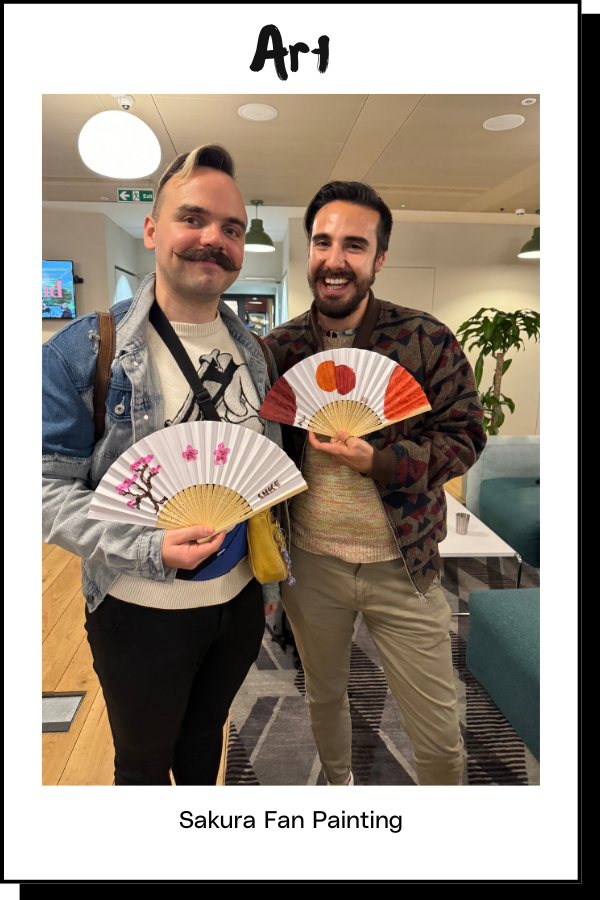
book our Japanese Workshop
Learn and experience Japanese arts, crafts and philosophy.
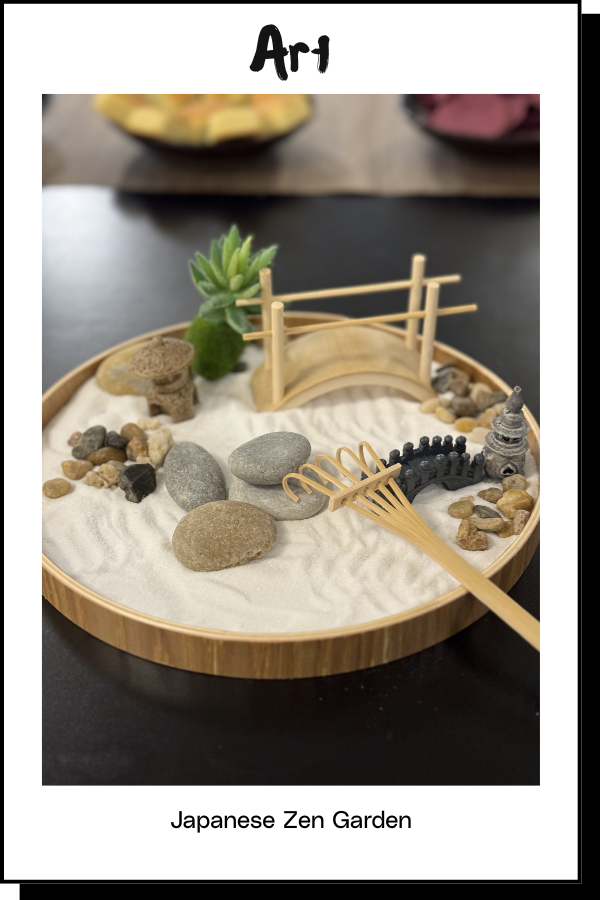
Hire us for your event
We can curate a bespoke experience for your team.
How Tanabata Is Celebrated Today
Tanabata is celebrated on July 7th in most of Japan, though some regions, particularly Sendai, which hosts one of the country’s most spectacular Tanabata festivals — celebrate it on August 7th according to the old lunar calendar.
The Sendai Tanabata Festival is the largest in Japan, drawing over two million visitors each year. Enormous, ornate paper decorations called kazari cascade from bamboo poles throughout the city’s shopping arcades, creating a breathtaking tunnel of colour and artistry. Each decoration can take weeks to create and stands several metres tall — a true testament to the craftsmanship that Orihime herself would admire.
Beyond Sendai, Tanabata is marked across Japan with street festivals, fireworks, traditional music, food stalls, and of course, the hanging of tanzaku wishes. It is a festival that blends the celestial with the deeply personal — a night when the stars feel close enough to touch, and when anything feels possible.
Why Tanabata Still Resonates Today
In a world of instant messages and constant connection, there is something profoundly moving about a love story built on longing on two souls separated by the cosmos, sustained by devotion, and reunited just once a year. Tanabata reminds us of the depth that distance can give to love, and the beauty of a single, cherished moment.
It is a festival that celebrates not just romance, but also dedication, craft, and hope, the hope that if we work hard, remain true to ourselves, and look up at the stars with open hearts, our wishes just might come true.
That is the enduring magic of Tanabata. That is why, century after century, people across Japan — and now across the world, pause on the seventh night of the seventh month, look up at the summer sky, and feel something stir quietly in their chests.
Want to hire us?
Bespoke event for you!
Dear Asia is a London-based event organiser specialising in creative workshops celebrating Asian cultures. With years of experience, our team excels at hosting engaging events for groups of 15-60 people in your office. We’re passionate about what we do, but our capacity is limited. If you’d like us to run an event for you, visit this page for more details and get in touch!

Celebrate Tanabata With Us
Feeling inspired by the magic of Tanabata? You can experience this in London now. Join a Tanabata workshop at Dear Asia London, where you can write your own tanzaku wishes, craft traditional decorations, learn the legend in depth, and immerse yourself in the spirit of this timeless celebration. Whether you are a Japan enthusiast, a lover of culture, or simply someone looking for a meaningful and joyful experience, our workshops are open to all.
Are you thinking of celebrating the Tanabata festival with your team? Dear Asia create bespoke festive celebration for companies and teams, it will be a truly unique and memorable way to bring your team together. From intimate gatherings to large-scale company celebrations, Dear Asia can tailor the experience to suit your team’s size, style, and goals. Tanabata’s themes of connection, aspiration, and collaboration make it a perfect fit for team-building and cultural enrichment. Let’s celebrate the stars together.